If you have been involved in a rideshare accident in New Orleans—whether as a passenger, a rideshare driver, or another motorist—the moments that follow can be stressful and confusing. Every decision you make, from the scene of the collision all the way through insurance claims and legal processes, can have a lasting impact on your health, financial recovery, and peace of mind. With over three decades of supporting people in these situations, we know firsthand that understanding your next steps is crucial for protecting your rights and building a strong claim in Louisiana.
What Are the First Steps After a Rideshare Accident in New Orleans?
Your safety and well-being come first after any automobile accident. If you are able, move yourself and anyone else to a safe area away from traffic. Check for injuries to yourself, passengers, and others, and call 911 for medical assistance if needed. You should not assume an injury is minor—many common collision injuries, such as head trauma, whiplash, or internal pain, do not show symptoms right away. Immediate medical evaluation not only protects your health but also provides documentation that supports your future insurance or legal claim.
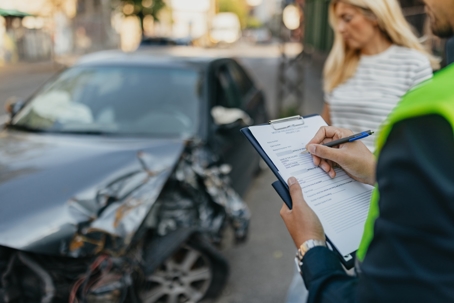
Once safety and health are addressed, start documenting the accident scene. Use your mobile phone to take photos from multiple angles, capturing all vehicles, the road, intersections, weather, and any debris, skid marks, or property damage. Write down or save information from all parties involved, including the rideshare driver’s name, contact details, the license plate number, vehicle description, and insurance carrier. If there are witnesses nearby, ask for their contact information as well—a written or recorded statement may become evidence for your case.
For rideshare trips, save every detail related to your ride. Take screenshots of your trip receipt, driver profile, trip route, and any correspondence with Uber, Lyft, or other providers. If you are a driver, document your rideshare app status (waiting, en route, or with a passenger), as this determines insurance coverage. Jot down everything you recall about the incident—such as time, date, location, traffic, and what each person did before and after the collision. Acting promptly and thoroughly at the scene will put you in a stronger position throughout the claims process.
Who Must Be Notified After a Rideshare Accident in Louisiana?
Louisiana law requires you to notify law enforcement when a car accident results in injury, death, or property damage estimated at more than $500. In New Orleans, this means contacting local police and remaining at the scene until officers arrive, unless a medical emergency requires you to leave. Official police reports serve as the backbone of both insurance and legal claims, providing an impartial record of the incident. If you do leave for medical care, arrange to provide your account to the police as soon as possible—failure to report can weaken your claim or credibility later on.
After notifying law enforcement, take steps to inform the rideshare company involved. Both Uber and Lyft require accident reports directly through their mobile apps or support hotlines. This notification allows their insurance departments and claims adjusters to open an official file. Failing to notify the company might cause delays or lead to a denied claim. Even if the crash seems minor, alert your own auto insurance provider to start their investigative process. Drivers and passengers should both take this step; you may need your own medical payments coverage if there are complications or coverage gaps.
Rideshare passengers should notify both the rideshare company and, if they have personal auto insurance, their own insurer—even if they were not driving. This ensures you have access to all applicable insurance coverage. Deadlines can be short for reporting accidents. Prompt notification helps protect your rights. If you expect significant medical bills, ongoing symptoms, or have doubts about liability, consider reaching out to a New Orleans personal injury attorney before giving official statements or signing any insurance agreements.
Reporting a Rideshare Accident Through Uber and Lyft in New Orleans
Uber and Lyft make it possible to report an accident directly through their mobile applications. For Uber, open the app and select the trip in question under “Your Trips.” Tap “Help” and then “I was in an accident.” Lyft offers a similar process: access the ride from your trip history, tap “Get Help,” and choose “Report an Accident.” You will then fill out an online form describing what happened and upload any available photos or documentation. Both companies also offer 24/7 safety support by phone if you cannot access the app—these hotlines are listed on the companies’ websites and can be lifesaving if your phone screen is damaged or you’re in shock.
Include every detail when you report the incident:
- Rideshare trip status (active, completed, or en route)
- Date, time, and precise location of the collision—including intersections in New Orleans
- Whether there were injuries and what medical care was needed
- Descriptions of the vehicles, weather, and any road hazards
- A summary of what happened before, during, and after the crash
This thoroughness helps the company determine which insurance coverage applies, streamlines your claim, and protects your eligibility for benefits. Once filed, you will usually receive confirmation and a claim number—always save this reference for later communications.
What Documentation Strengthens Your Rideshare Accident Claim?
Detailed documentation is one of your best defenses after a rideshare accident. Request a copy of the official police report as soon as it becomes available from the New Orleans Police Department. Officers include crucial information such as statements from all parties, diagrams of the accident site, weather, time, and an initial determination of fault. If police do not arrive or do not file a report, you can go to a local precinct and submit your own report within 24 hours.
Obtain and organize all medical records related to injuries from the accident. These can include ambulance records, emergency room summaries, physician evaluations, diagnostic tests, treatment recommendations, and bills. Even if injuries appear minor at first, new symptoms may develop days later—document these with updated medical notes and maintain a diary of your pain, mobility issues, and how your injuries have affected your daily life or work. Well-organized medical documentation will support your case if the rideshare company or insurance carrier questions the cause or severity of your injuries.
Collect evidence from the scene and the rideshare platform:
- Screenshots of trip receipts, messages with drivers, and maps of your route
- Photos or videos of the crash site, vehicle damage, and any visible injuries
- Written or recorded witness statements, if possible
- Correspondence from Uber, Lyft, or their insurance representatives
- Records of all repairs, towing, or vehicle appraisals
These records help prove the extent of damages and clarify the big picture for insurance adjusters or, if needed, a jury. Organizing your documentation now makes a significant difference down the line in fast-tracking your claim and ensuring a fair review.
How Do Louisiana’s Unique Laws Affect Rideshare Accident Reporting?
Louisiana’s laws on accident reporting and litigation timelines differ from those in many other states. For any traffic incident resulting in injury, death, or estimated damages over $500, drivers must report the crash to law enforcement immediately. In New Orleans, police may request your rideshare app status and records at the scene, especially if you were a driver or passenger in an Uber or Lyft at the time. Providing this information can help establish the proper insurance policy coverage and support the details in the crash report.
Louisiana law grants only one year—the statute of limitations—to file most personal injury claims, including rideshare accident cases. This short window makes prompt action essential after a crash. Also, your insurance policy may have even shorter timelines for reporting and cooperating with the insurer. Waiting too long can result in denied benefits or lost compensation. The one-year limitation period applies regardless of whether you were a driver, passenger, or another party impacted by the accident.
Louisiana also uses a “pure comparative fault” rule. If you are found partly at fault for the accident, your compensation will be reduced by the percentage of your assigned liability. For example, if you are found 20% responsible, your financial award is reduced accordingly. This makes accurate, prompt, and thorough reporting vital for making your case as clear as possible and minimizing the risk of disputes about your role in the incident.
Dealing with Uncooperative Rideshare Drivers or Inaccurate Crash Reports
Sometimes, those involved in a crash may be difficult, evasive, or even hostile at the scene. If a rideshare driver or another motorist refuses to provide needed information, avoid confrontation and focus on documenting the situation. Discreetly note the driver’s license plate, vehicle description, and their behavior during the interaction. Louisiana law allows for audio recordings in public when at least one party (you) consents, but video recording should be limited to public spaces. Preserve any footage you capture for your claim and do not share it publicly until the process resolves.
If the police accident report contains mistakes or omits critical details, you have the right to seek an amendment. Start by requesting a copy of the report from the New Orleans Police Department. Draft a letter or statement outlining the inaccuracies and attach supporting evidence—such as time-stamped photos, medical records, and written witness accounts. Bring this packet to the police precinct or submit it as instructed on the city’s website. Having your documented rebuttal on file can help during insurance reviews and legal proceedings, even if the police decline to adjust the report.
In situations where Uber or Lyft receives a false or misleading narrative from another party, respond immediately through the app or the company’s support channel. Present your evidence with a simple, factual timeline that addresses the specific inaccuracies cited in prior reports. Keep communications professional and request escalation to a supervisor if the issue is not corrected. If ongoing disputes jeopardize your claim, contacting a legal professional who regularly handles rideshare cases in New Orleans can provide further protection and guidance.
What to Do If You Discover Injuries After the Accident
Many injuries from motor vehicle accidents—including rideshare collisions—do not reveal themselves right away. Delayed symptoms are common with soft tissue injuries, concussions, whiplash, and psychological effects such as anxiety or sleep disruption. If you notice new pain, headaches, or other symptoms after the crash, seek medical care as soon as you become aware of them. Connecting these later symptoms to the accident requires prompt documentation by healthcare professionals to support your insurance or legal claim.
Once evaluated by a doctor, notify your insurance carrier and the rideshare company with an updated statement and medical documentation. Include any additional diagnoses, details of how the injuries impact your daily life, and recommendations for ongoing or follow-up care. Some insurers and rideshare companies may try to downplay injuries reported after the scene, but your right to claim compensation is no less valid. Keep all new medical reports and correspond with the insurance company in writing where possible.
You can also amend your original police report in New Orleans or supplement it with an addendum describing your newly discovered injuries. Supply your doctor’s diagnosis and dates to both insurance representatives and the police, and keep a written diary of your symptoms and treatment progress. Preserving thorough records strengthens your ability to pursue your case, even if days or weeks have passed since the initial accident report.
Understanding How Insurance Works After a Rideshare Collision in Louisiana
Rideshare accidents in Louisiana introduce unique insurance challenges. If a collision occurs while a driver is logged into the Uber or Lyft app but between rides, the platform’s insurance provides limited liability coverage. When a driver has matched with or is transporting a passenger, much higher commercial policy limits—typically up to $1 million—are available, but rideshare companies will closely review eligibility and accident details before accepting a claim.
Louisiana follows an “at fault” model, meaning the party responsible for the accident and their insurance carrier covers the damages. Passengers injured during a paid ride often have access to the rideshare platform’s policy and may also pursue the responsible third party’s insurance. Disputes between insurers are common, especially if liability is unclear, and delays or denials can arise as carriers investigate who was responsible and which policy applies.
Deadlines for submitting claims under these policies are strict. For example, insurance coverage for medical bills or uninsured/underinsured motorist claims may require notification within 30 days, while bodily injury claims must follow the one-year Louisiana deadline. Review any claim forms or settlement documents carefully, and avoid signing waivers or accepting quick payments until you understand the full extent of your injuries and necessary treatments. Legal advice may help you protect your rights and avoid costly missteps.
Legal Rights of Passengers, Rideshare Drivers, and Third Parties in Rideshare Accidents
Passengers hurt in New Orleans rideshare accidents are generally entitled to pursue compensation from both the rideshare company’s insurance and the responsible driver’s policy. Damages may include medical expenses, lost wages, pain and suffering, and related costs under Louisiana’s comparative fault rules. Passengers have no obligation to choose one insurance claim over another—multiple claims may proceed if facts support it.
Rideshare drivers have distinct rights as well. If you were driving for Uber or Lyft at the time of the collision, your coverage eligibility depends on whether you were logged into the app and actively transporting a passenger. Prepare to present all necessary trip records, driver status, and communication with the platform for claims investigators. If your coverage is denied, Louisiana law gives you the right to contest through formal appeals or a civil lawsuit if necessary.
Third parties—such as other drivers, pedestrians, or bicyclists—injured in a crash involving a rideshare are eligible to pursue claims against the at-fault driver and, in certain cases, the rideshare company’s insurer if damages exceed personal policy limits. Early and accurate reporting, evidence gathering, and informed action improve your chances of a fair outcome, whether you resolve your claim through insurance negotiation or pursue litigation in New Orleans courts.
When Should You Consult a Personal Injury Attorney After a Rideshare Accident?
There are many signs that you should consult with a personal injury attorney after a rideshare accident in New Orleans. If you suffered significant injuries, face mounting medical bills, are unable to work, or encounter an insurance denial or dispute over fault, legal guidance can make a difference. Attorneys help clarify your options, prevent missed deadlines, and ensure you do not inadvertently forfeit your right to full compensation due to paperwork mistakes or incomplete evidence.
Legal advocates can communicate with the rideshare company and insurers on your behalf, assist in organizing your evidence, and explain any policy exclusions that could affect your recovery. Dealing with corporate insurance departments can feel overwhelming, and having someone familiar with rideshare accident law in New Orleans offers both peace of mind and practical advantages. You do not need to wait until your claim is denied—reaching out early allows you to make informed decisions at every step.
At , we combine determined legal advocacy with a personal approach from our offices in New Orleans, Gretna, and Mandeville. We meet clients where they are—whether over the phone or in person—and answer their questions thoroughly. Our team provides clarity, fighting for your interests from the first call onward so you can focus on recovery with confidence and support.
How Supports Clients After New Orleans Rideshare Accidents
If you are navigating the aftermath of a rideshare accident, you deserve responsive, knowledgeable guidance that keeps you informed at every stage. At , our legal team leverages over 30 years of experience representing injured people in New Orleans and across the region. Our relationship with clients is rooted in accessibility and authentic care—from free, confidential consultations to regular updates and open lines of communication.
We take pride in our detailed case preparation, from gathering crash and medical records to understanding every aspect of your daily life impacted by the accident. Our team is equipped with modern litigation tools, including mock trial resources, ensuring we approach every negotiation and proceeding with thorough preparation. Unlike firms that represent insurance companies, we serve only those who have been injured, focusing every action on holding wrongdoers and insurers accountable.
Speak with a New Orleans rideshare accident lawyer today and get clear guidance on your next steps. Your consultation is free, and our team is ready to fight for the compensation you deserve. Call (504) 470-3935 now for a free consultation.